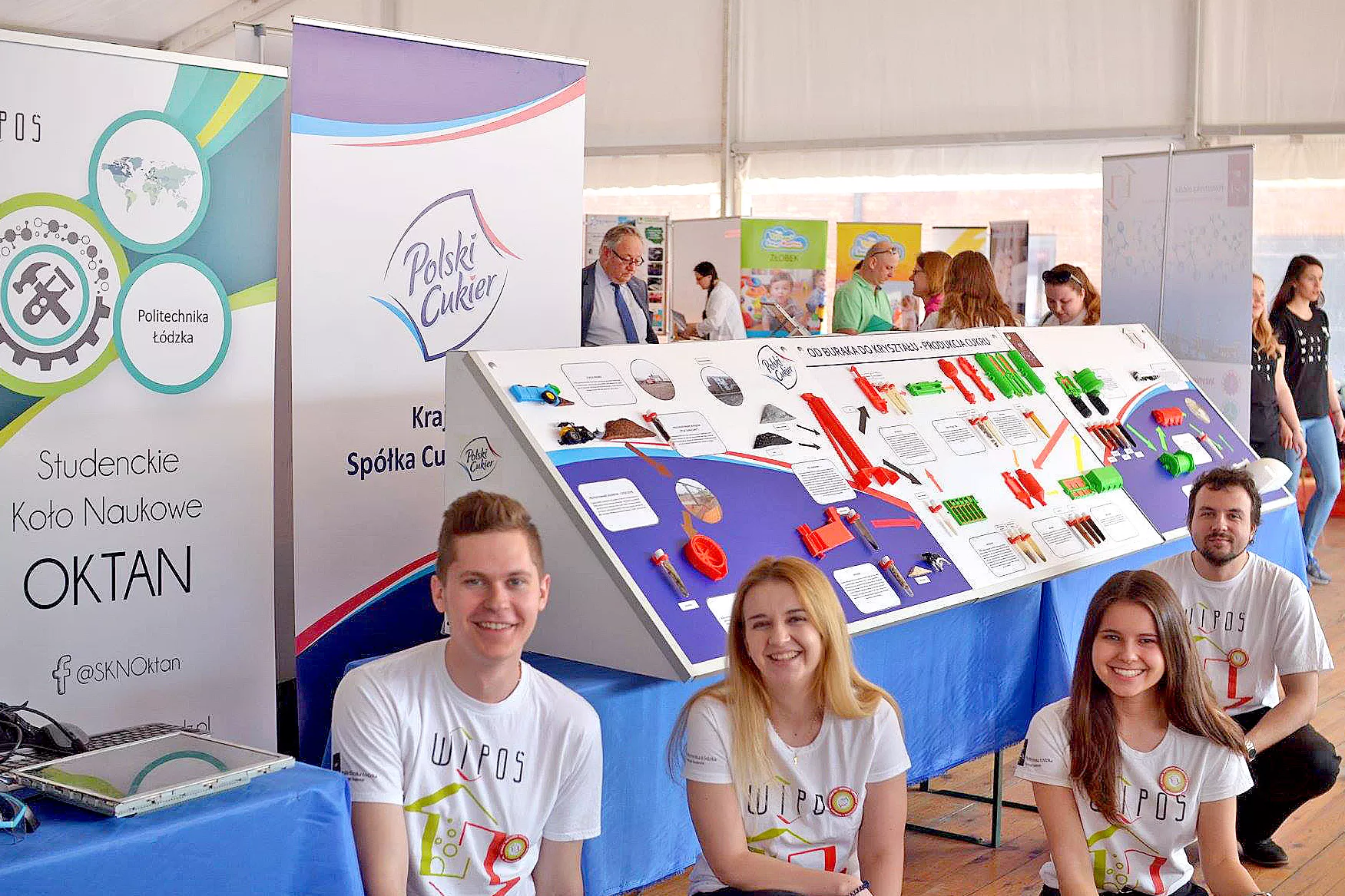
Bill Gates said: "The real engine of progress is innovation." The student research group OKTAN is a perfect example of this, as it focuses on unconventional forms of propulsion, putting gasoline aside. Weronika Bałdys, the chairwoman of the research group, talks about what modern vehicles are powered by.
The student research group OKTAN has a long history. How did it start?
OKTAN has existed informally since 2000. Initially, it was part of the student government, but after 3 years Faculty of Process and Environmental Engineering student research group was established, which later changed its name to Oktan.
How did you join Oktan?
A friend invited me to a meeting, during which I had the opportunity to see several ongoing experiments and machines being built. It was so interesting that I decided to join. The group meetings take place after classes, and we organize our work so that the university is our priority, so we have no problem reconciling all our duties.
Oktan builds its own equipment and conducts various research. What are you really proud of?
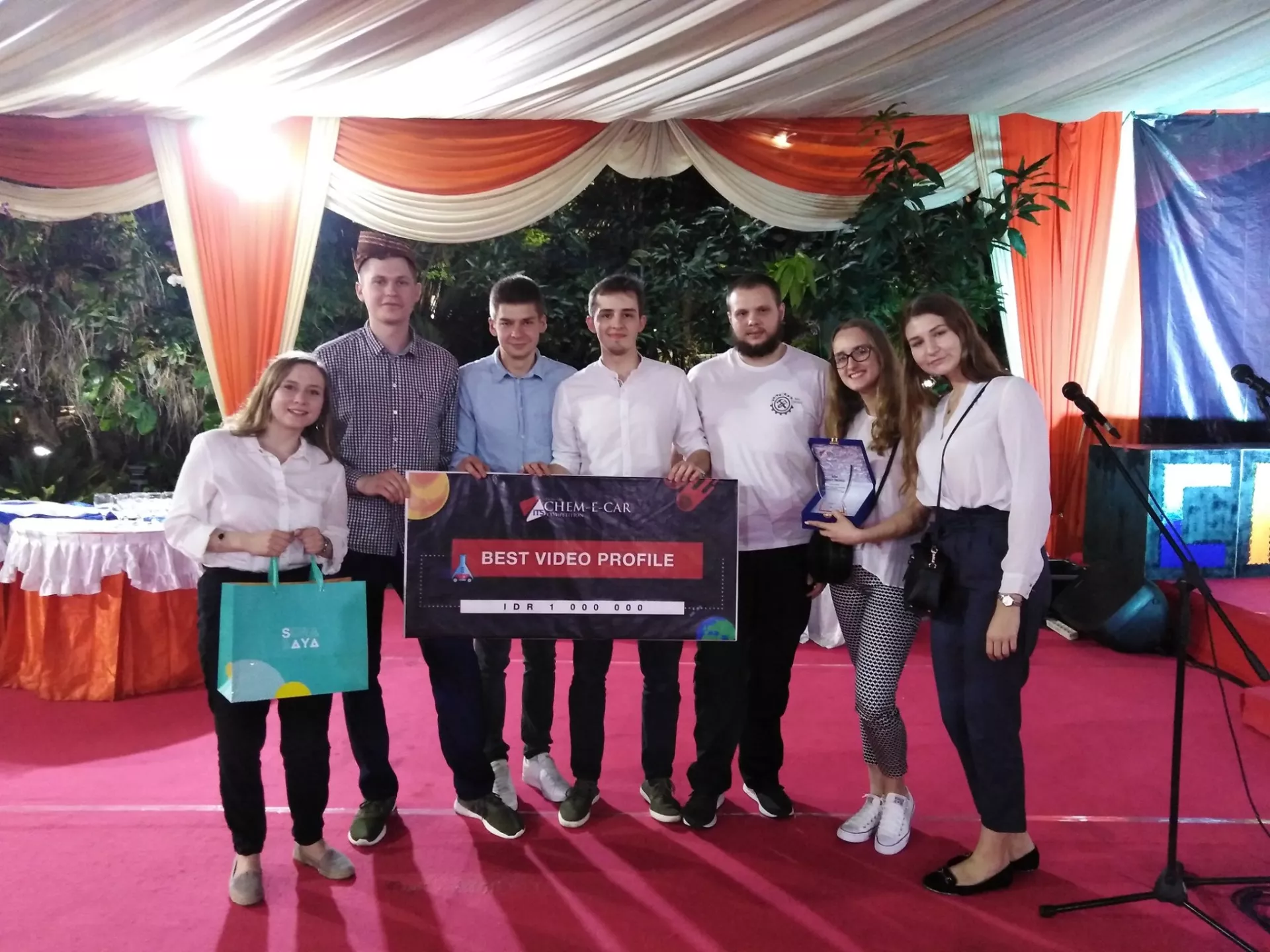
Practical projects are the core of our activities. We have built, among others, a rectification column, graphene capacitors, and solar collectors. Our most famous project is participating in the ChemCar competition, which involves building a vehicle powered by the energy of a chemical reaction other than combustion, and then driving a given distance on the day of the competition with a given load. The evaluation includes innovation, presentation, compliance with safety requirements, and accuracy of the ride. As part of this competition, we have achieved successes in the USA and Australia, among others.
What fields of study do your members come from?
We bring together students from the Faculty of Process and Environmental Engineering, but we are open to other units. Anyone can join the group at any time. All you need to do is contact us on Facebook or directly with a selected group member.
In the current epidemiological situation, we meet online and discuss plans for possible activities. The Oktan team participated in the EBEC competition organized by the BEST Student Association, where we had the opportunity to apply our knowledge in practice. The competition involves solving a practical problem as a team - in the Team Design category - or an analytical one - in the Case Study category. Our 4-person team was tasked with developing an ecological housing estate project. Oktan members also gave presentations on plastic waste management at a conference organized by the Łukasiewicz Research Network.
What social and interpersonal predispositions can you gain through activity in a student research group?
I think that a research group is a good complement to studies. Managing it, I learned above all to make decisions and organize my time wisely. Being a member of Oktan makes studying an exciting adventure and something more than a series of lectures and exams.
Activity in the research group gives the opportunity to meet many interesting people and allows you to develop soft skills, which certainly affects your later position in the job market. We learn to work in a team, plan our actions and manage them, and also to engage in discussions. Independent execution of projects also requires manual skills and technical sense. Many members of our research group have found employment in the industry, where they hold managerial positions, others continue their studies at doctoral studies.
Interviewed by: Paulina Krygier
Photos: private archive of the heroine